

The primary objective of any temperature-controlled shipping service is to protect the quality and safety of perishable goods throughout transit. Maintaining a stable temperature ensures products arrive with maximum shelf life and without degradation in taste, texture, or nutritional value. Even small temperature deviations can cause irreversible damage to sensitive products, making effective thermal protection essential.
Example: Chocolate Shipping
To better illustrate this concept, consider the shipment of chocolate—a product that is highly sensitive to temperature changes. Chocolate must be kept within a narrow range, typically 55°F to 65°F, to maintain its structure, appearance, and flavor.
Before transport, chocolate is packed using insulated boxes for shipping food, often combined with an insulated wool liner cold chain thermal solution that provides consistent insulation while allowing breathability. Once packed, cartons are palletized and transported through regions with varying ambient temperatures.
A shipment may begin its journey in a climate-controlled environment and later pass through areas where temperatures exceed 95°F. Without proper insulation, internal temperatures can rise rapidly, resulting in melting or quality loss. This demonstrates why high-performance thermal packaging is critical for success in cold chain logistics.
Expect the Unexpected in Cold Chain Logistics
Cold chain shipping involves many variables beyond a shipper’s direct control. Delays at loading docks, temporary storage during cross-docking, or unexpected vehicle breakdowns can expose products to extreme heat or cold.
In these scenarios, robust packaging—such as insulated food delivery boxes designed to maintain internal temperatures even during short-term exposure—can mean the difference between product acceptance and total loss. Superior insulation acts as a thermal buffer when logistics conditions don’t go as planned.
Different Products, Different Temperature Requirements
Each perishable product has a specific temperature “sweet spot.” Some foods degrade rapidly when exposed to excessive heat, while others can suffer chilling injury if temperatures drop too low. Repeated temperature fluctuations can be just as damaging as prolonged exposure.
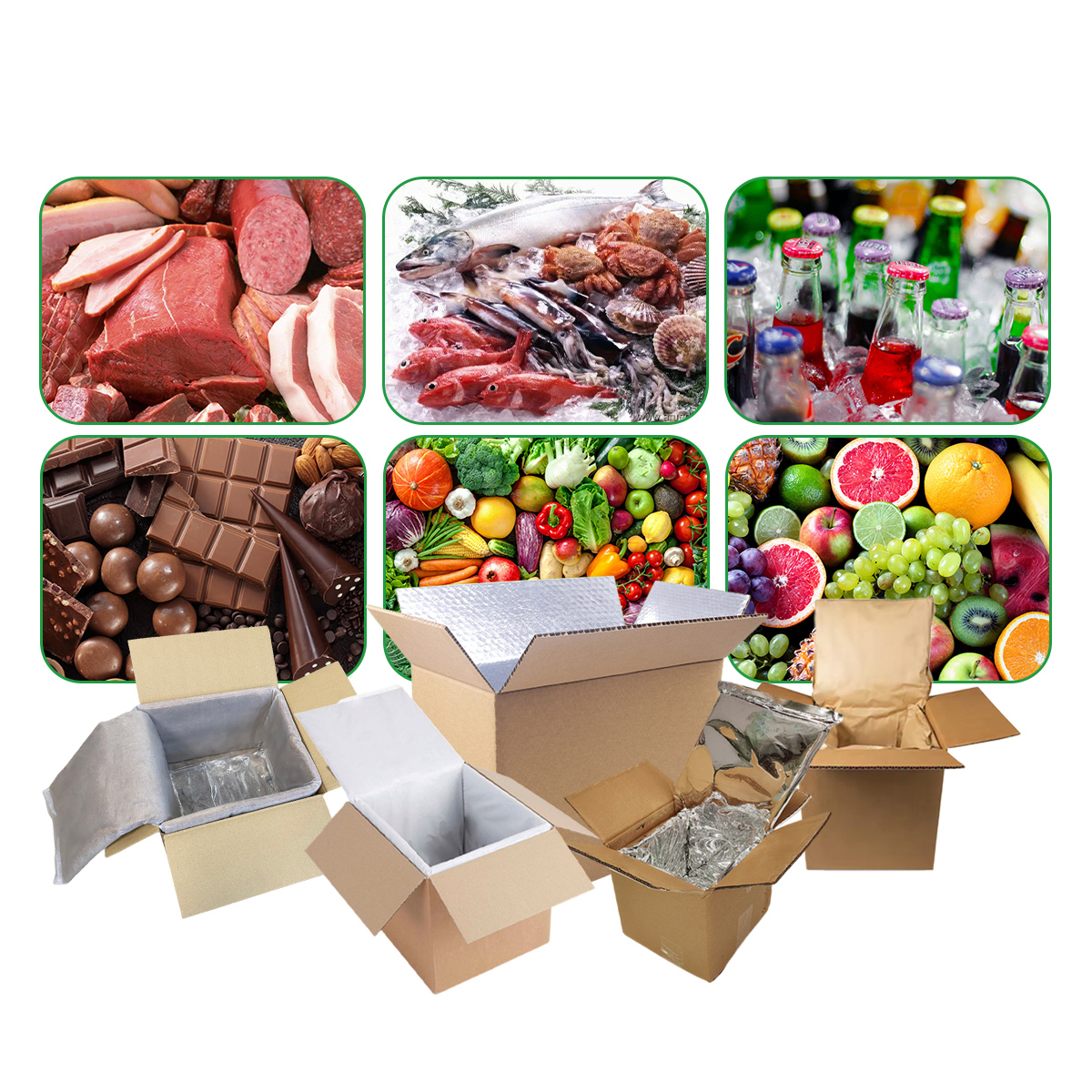
Using the right combination of insulated boxes for shipping food, thermal liners, and cold chain materials helps maintain product integrity from origin to destination.
Reliable Cold Chain Packaging Solutions
Global Green Packaging Technology (Suzhou) Co., Ltd. provides sustainable and performance-driven cold chain packaging solutions for temperature-sensitive goods.
Our product portfolio includes:
-
insulated wool liner cold chain thermal for breathable and eco-friendly insulation
-
insulated boxes for shipping food for bulk and palletized transport
-
insulated food delivery boxes optimized for last-mile and direct-to-consumer shipments
These solutions are designed to protect products across varying transit conditions while supporting environmental responsibility.
Conclusion
Effective temperature-controlled shipping is about preparing for real-world conditions—not ideal scenarios. With proper insulated packaging in place, perishable goods remain protected even when delays or temperature fluctuations occur.
By leveraging advanced thermal materials and sustainable design, Global Green Packaging Technology (Suzhou) Co., Ltd. helps businesses confidently ship food and temperature-sensitive products—ensuring quality, safety, and freshness from pack-out to final delivery. ✅